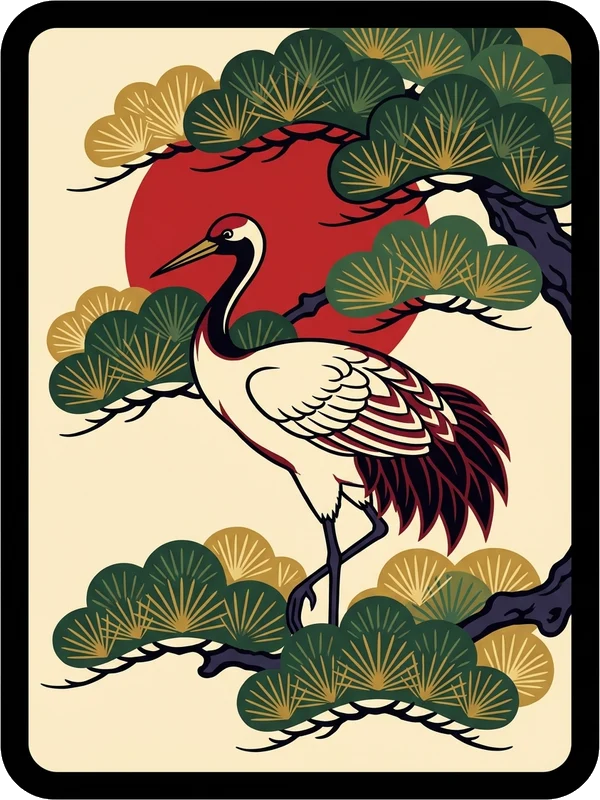
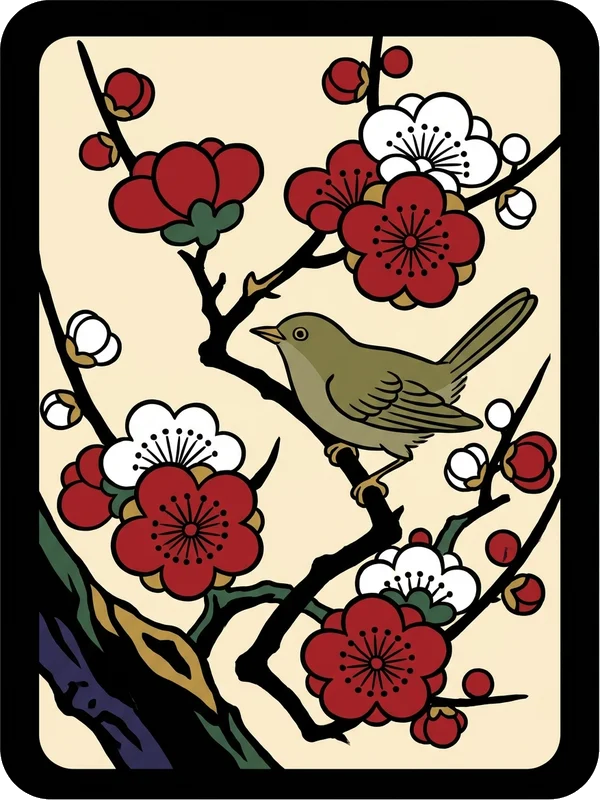


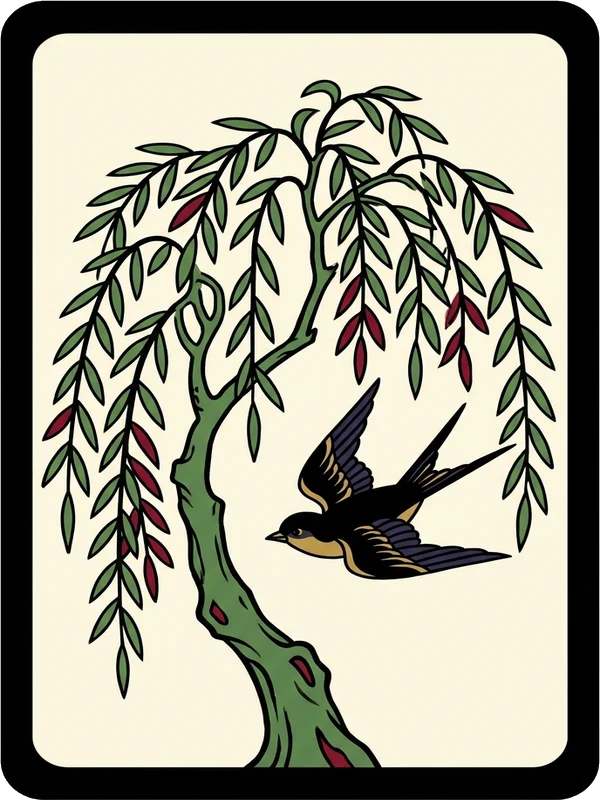
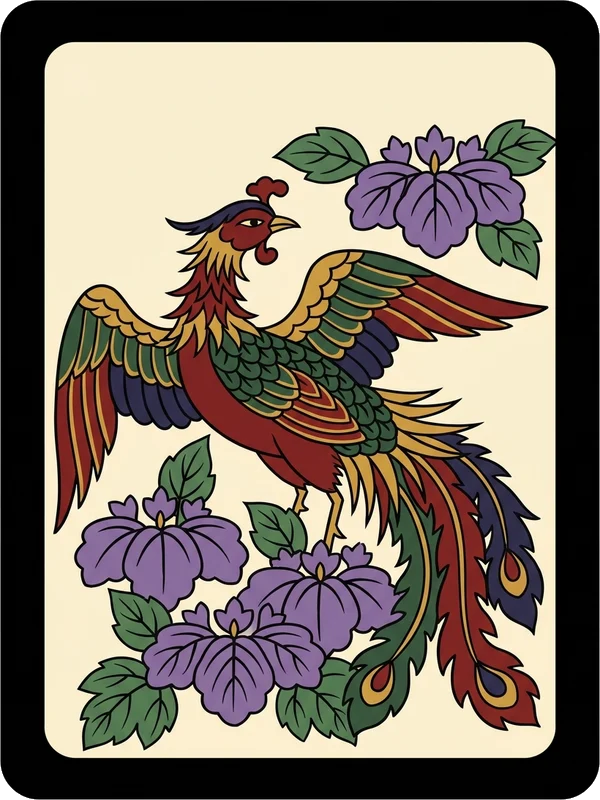
Hanafuda means “flower cards.” Nintendo Museum describes Hanafuda as a card game played with cards depicting flowering plants associated with the seasons. The modern deck has four cards for each month from January through December, for a total of 48 cards.
Japan Almanac follows the deck’s monthly plants: pine, plum, cherry, wisteria, iris, peony, bush clover, susuki grass, chrysanthemum, maple, willow, and paulownia.
The Twelve Suits
Each month has a plant, and each month has four cards. Those cards usually include a mixture of brighter, animal or object, ribbon, and chaff cards. Koi-Koi uses those classes in scoring combinations called yaku, while other Hanafuda games and house rules may classify or score some cards differently.
Hanafuda And Koi-Koi
Koi-Koi is a two-player Hanafuda game. The app uses a 48-card deck. Its rules documentation describes scoring categories and variations in point values and house rules. Rules described on this site refer to the app unless stated otherwise.
Card months and observance dates
Hanafuda’s suit months can differ from the Gregorian dates of related observances. The moon card belongs to August’s susuki suit, while Chushu no Meigetsu falls in late September in 2026. Check the dated monthly stories when planning a visit.
How We Know
This guide relies on Nintendo Museum for the broad deck structure and on the Koi-Koi repository only for the exact card IDs, image provenance, and the current app’s internal rules. Claims about specific ceremonies, dates, and historical practices are sourced separately in the relevant monthly stories.
Complete Launch Data


Sources
- Try Playing Hanafuda!, Nintendo Museum. Accessed 2026-09-01. Used for the 48-card, 12-month Hanafuda structure and Nintendo Museum workshop context.
- Koi-Koi - Rules & Variants, Koi-Koi repository. Accessed 2026-09-01. Used for the current Koi-Koi ruleset and house-rule disclosure.
- Cultural Reference - Hanafuda & the Twelve Months, Koi-Koi repository. Accessed 2026-09-01. Internal topic map only; not treated as external factual authority.