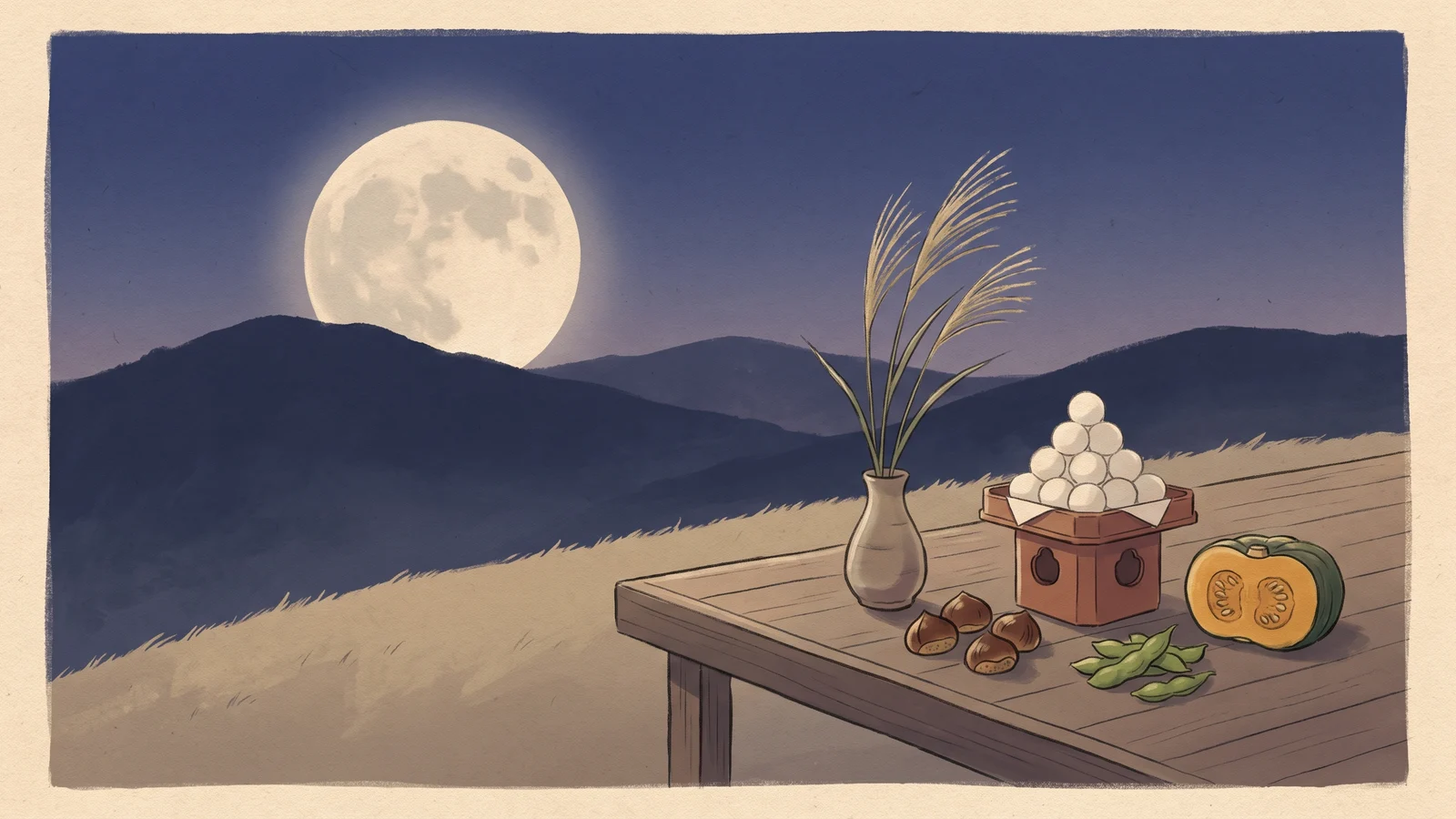
Tsukimi means moon-viewing. JNTO explains that Tsukimi is celebrated on Jugoya, the fifteenth night of the eighth month of the lunar calendar, and that its solar-calendar date changes year by year, usually falling in September or October.
For 2026, the National Astronomical Observatory of Japan places Chushu no Meigetsu on September 25, 2026. NAOJ also gives the astronomical full moon as September 27, 2026 at 01:49 JST. The observance falls two calendar days before the astronomical full moon that year.
What Appears In A Tsukimi Setting
JNTO lists several typical offerings: susuki grass as a harvest symbol, round tsukimi dango representing the moon, and seasonal vegetables such as pumpkin, edamame, and chestnuts.
Hanafuda’s Moon And Cup
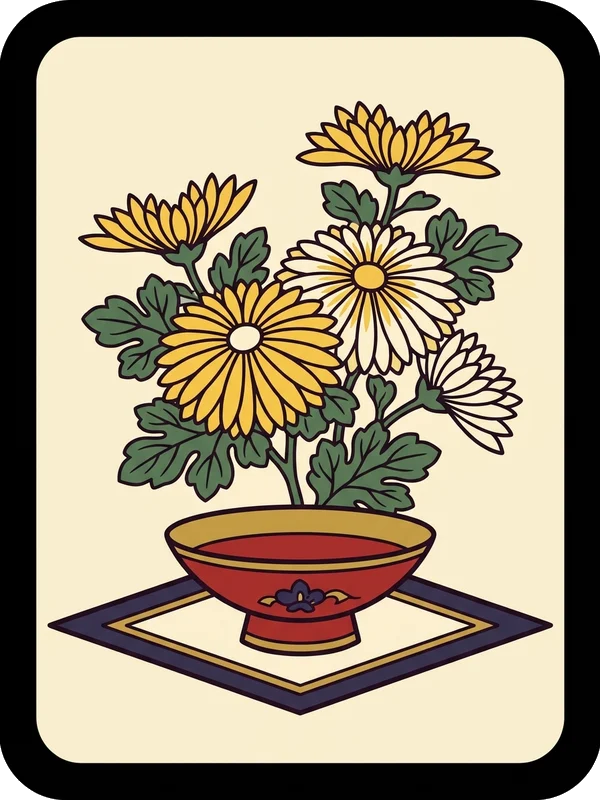
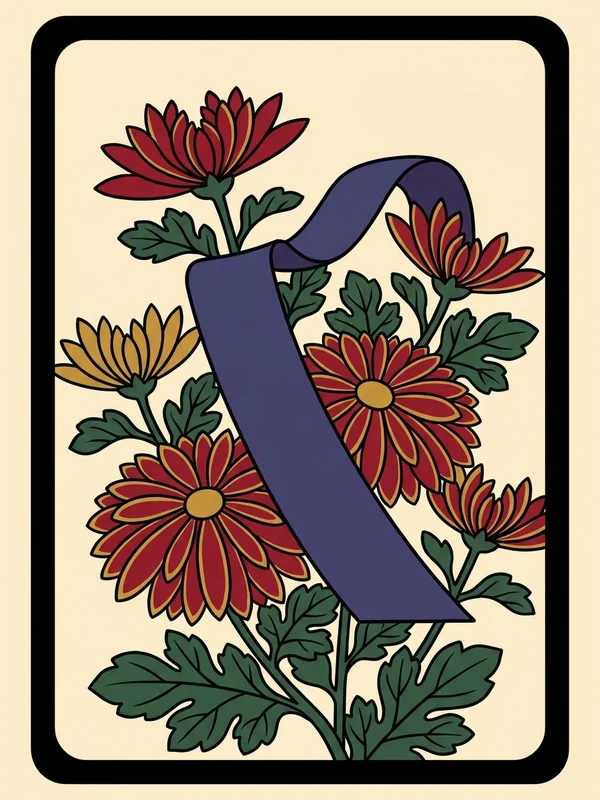
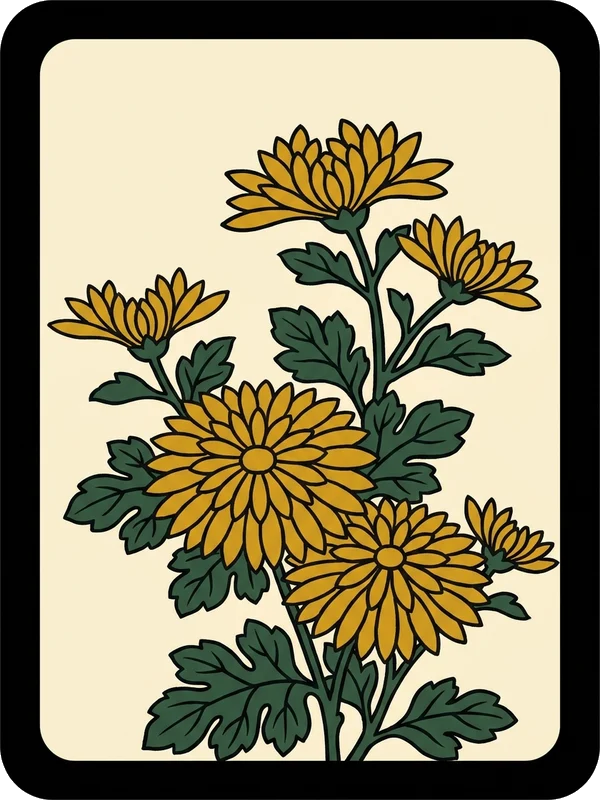
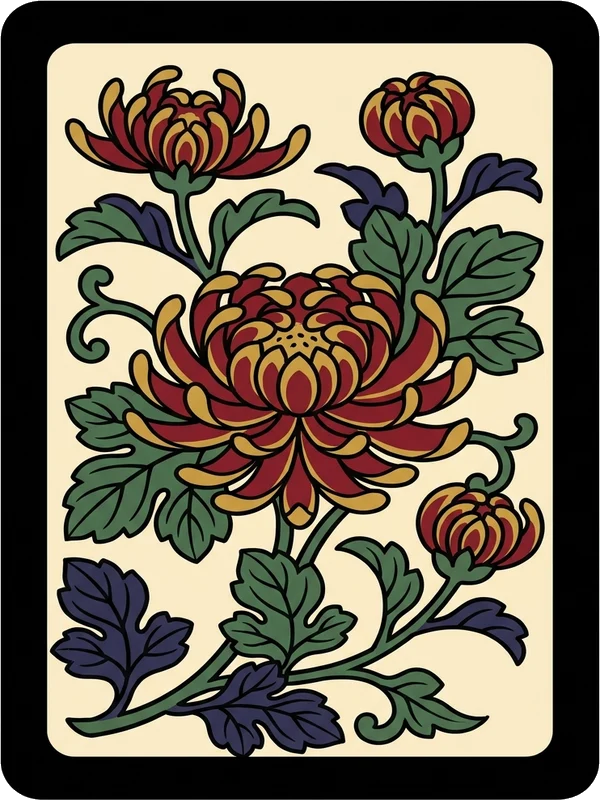
In the Hanafuda deck, the famous moon card belongs to August’s susuki suit, not September. September contributes the chrysanthemum and sake cup. In the Koi-Koi app’s ruleset, the moon and cup can score Tsukimi-zake, or moon-viewing sake.
The card combination draws on moon-viewing imagery. Its suit numbers do not determine the observance’s date or household customs.
How We Know
The 2026 date is from NAOJ’s September 2026 sky information and cross-checked against NAOJ’s calendar wiki. Contemporary offering descriptions are from JNTO. Hanafuda’s deck structure is from Nintendo Museum, while Koi-Koi’s use of moon-and-cup scoring is identified as the app’s current ruleset.
Sources
- Chushu no Meigetsu, September 2026, National Astronomical Observatory of Japan. Accessed 2026-09-01. Used for the 2026 date of Chushu no Meigetsu and the full-moon timing.
- Meigetsu is not necessarily the full moon, NAOJ Calendar Wiki. Accessed 2026-09-01. Used to cross-check Chushu no Meigetsu and full-moon separation across years.
- Tsukimi, Moon Viewing in Japan, Japan National Tourism Organization. Accessed 2026-09-01. Used for contemporary Tsukimi practices, offerings, and seasonal framing.
- Try Playing Hanafuda!, Nintendo Museum. Accessed 2026-09-01. Used for the 48-card, 12-month Hanafuda structure and Nintendo Museum workshop context.