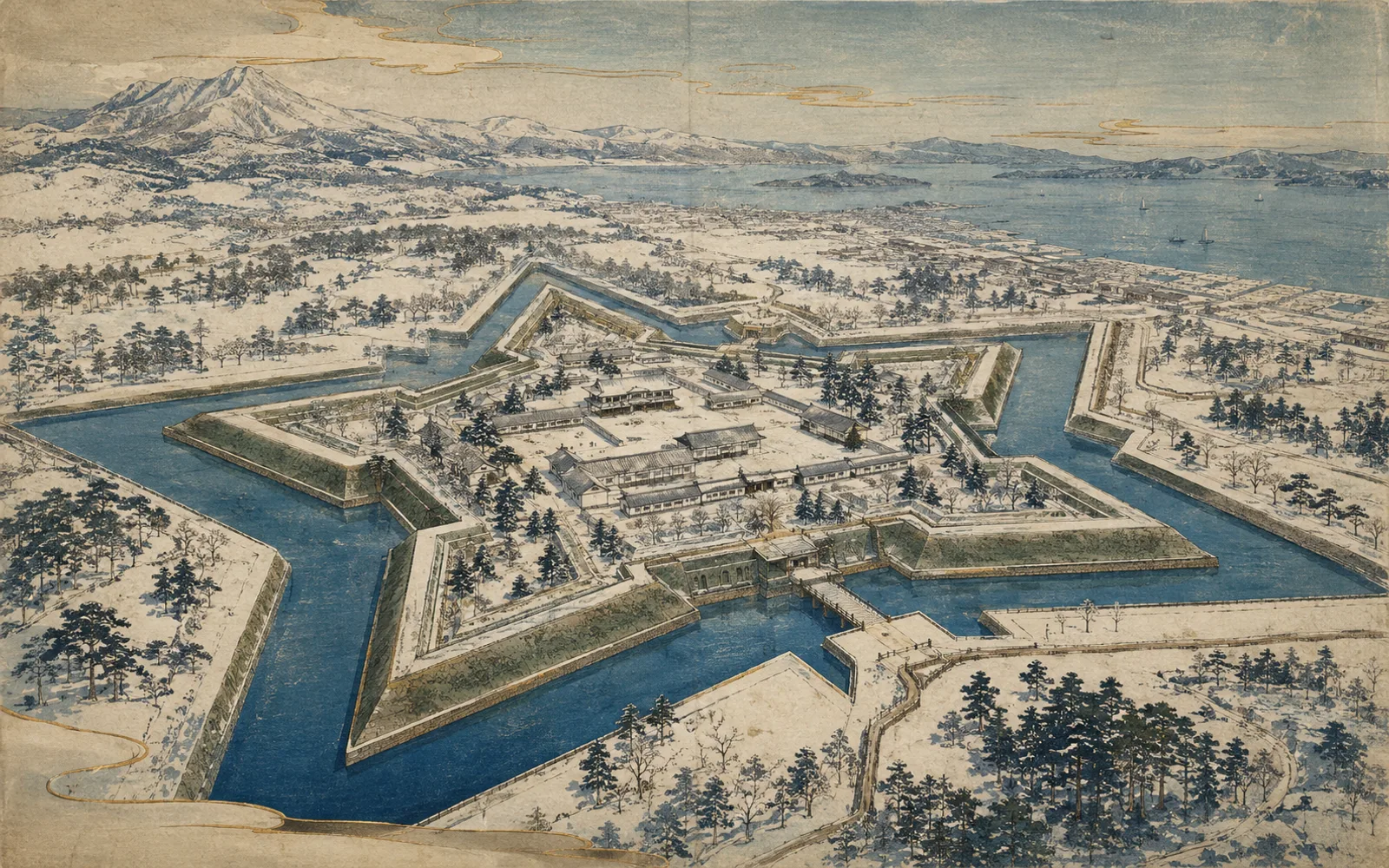
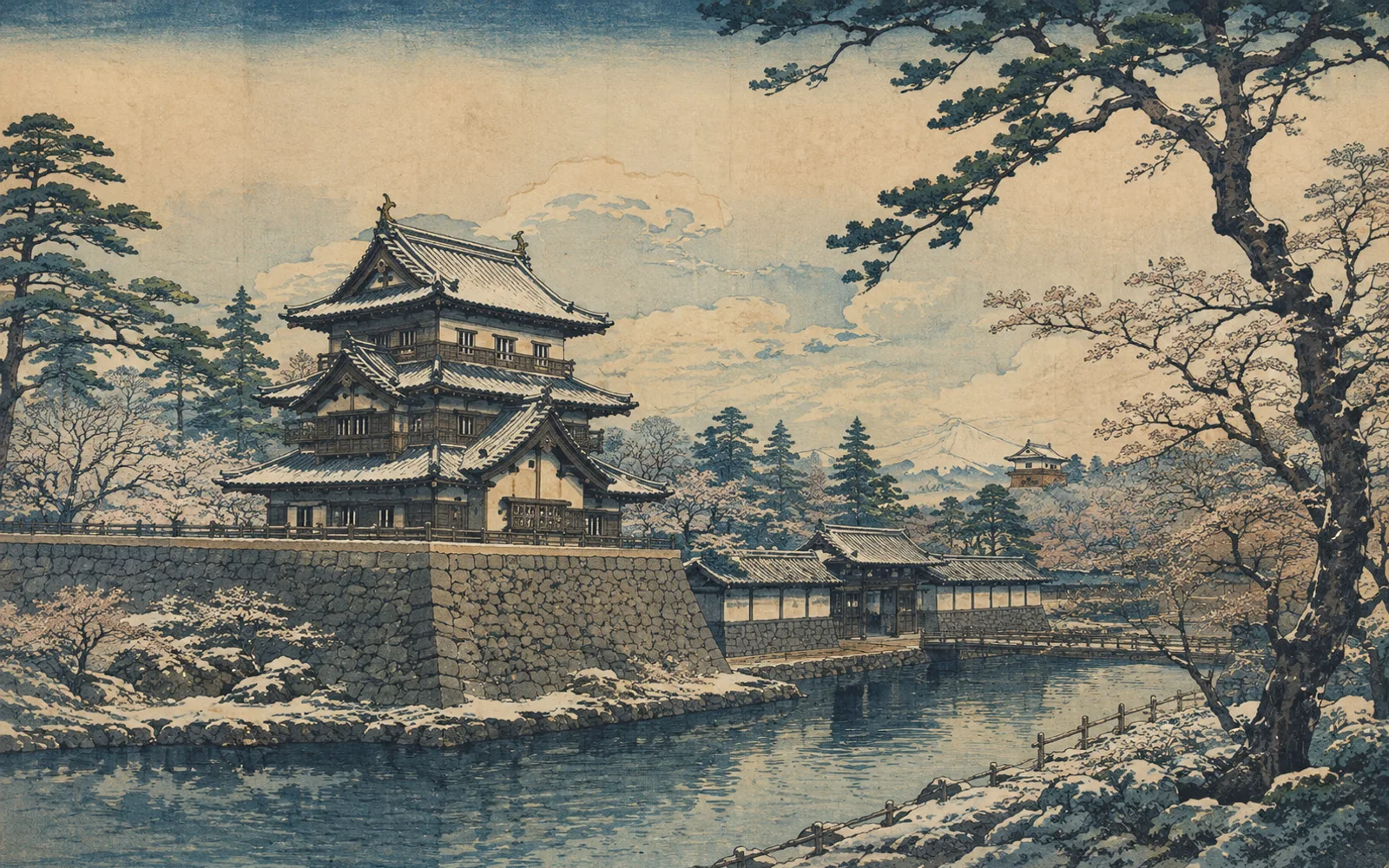
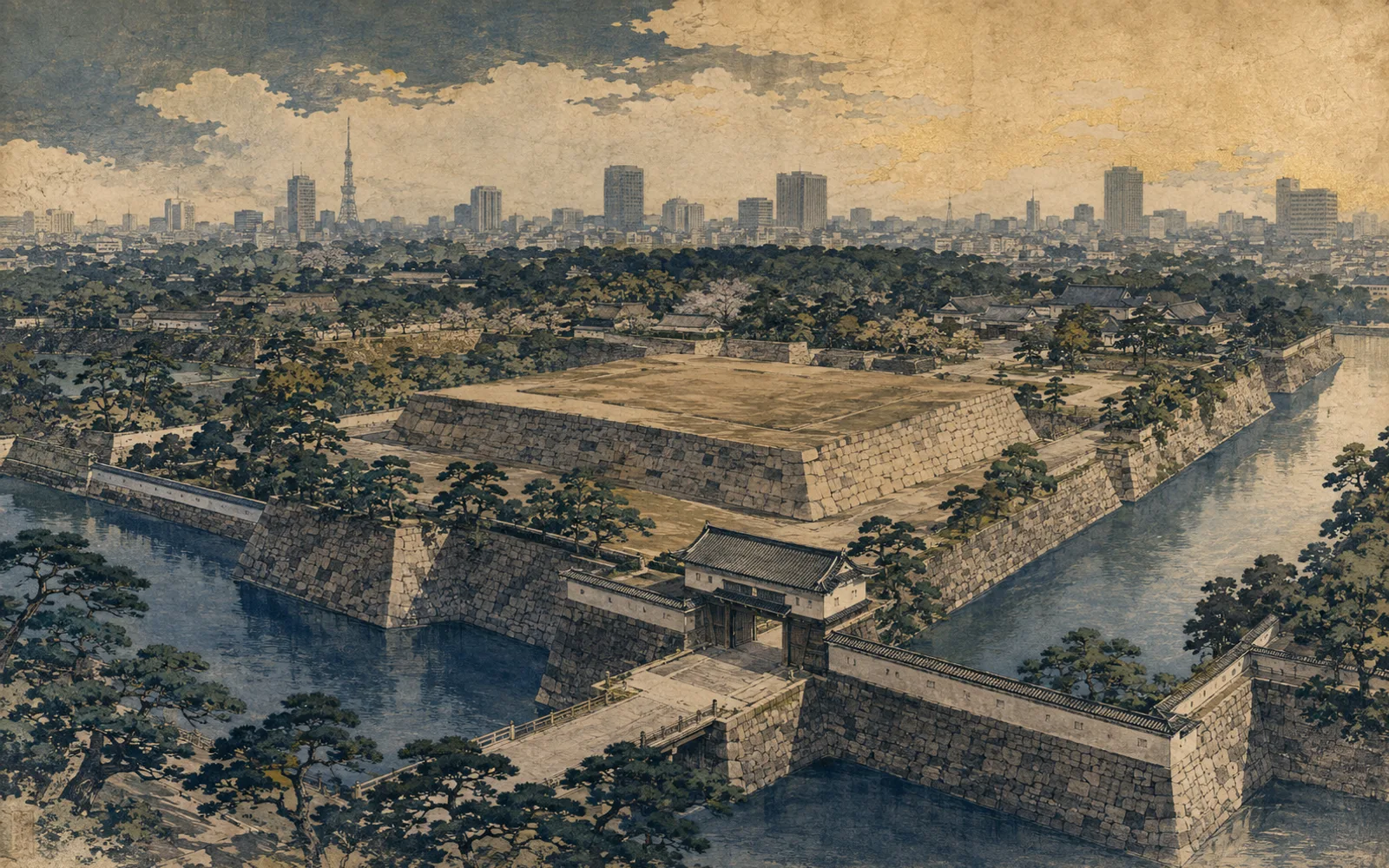
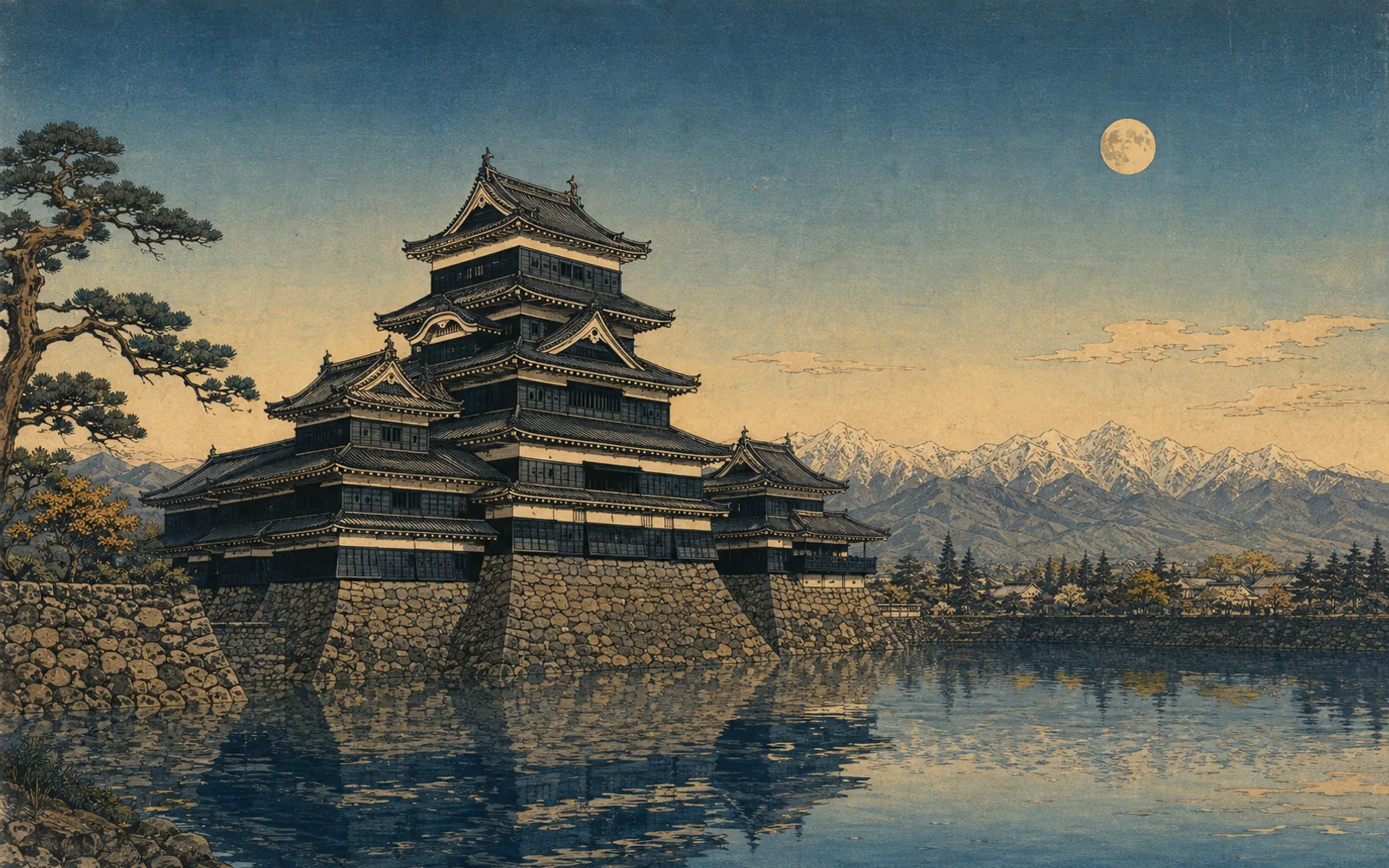
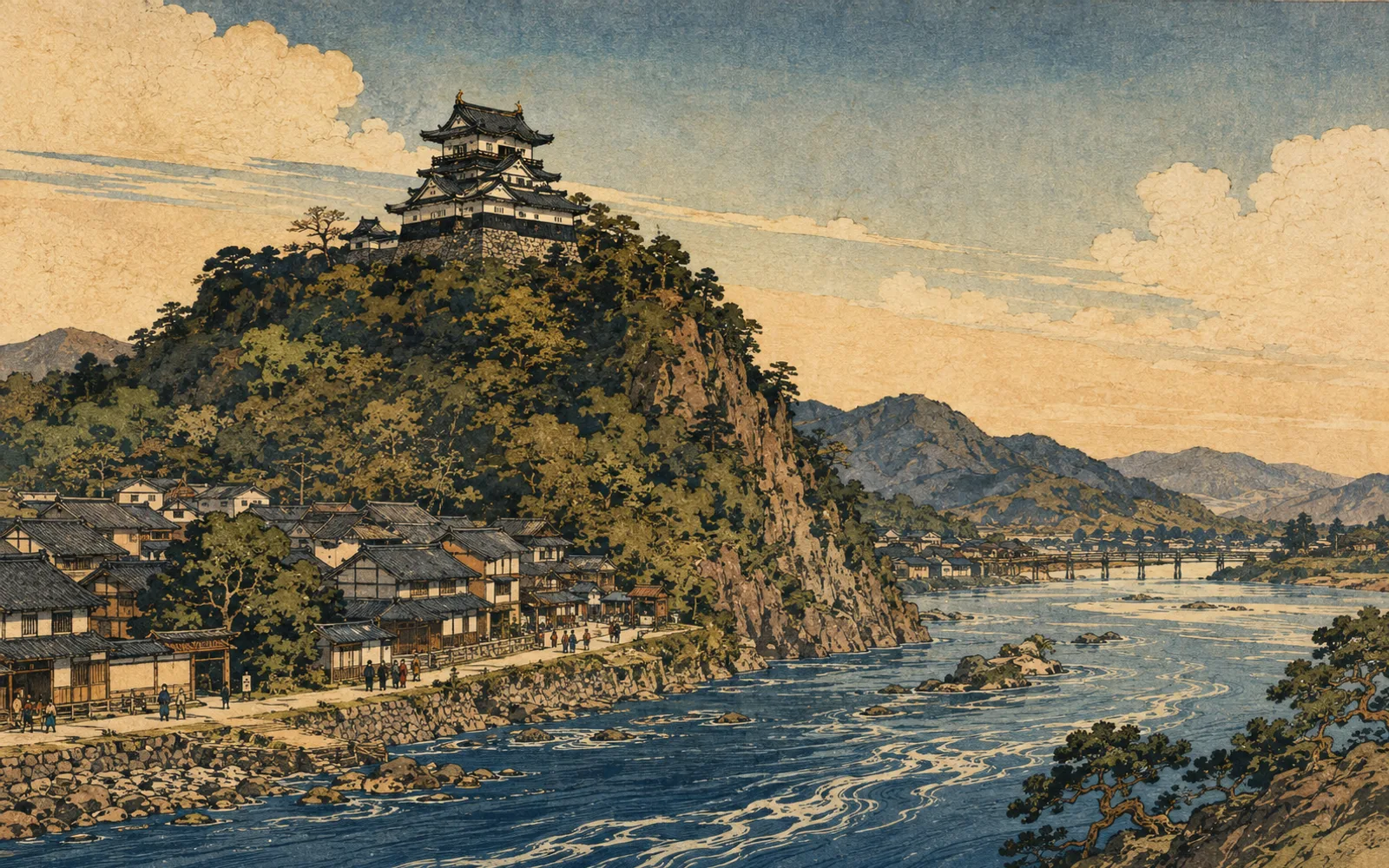
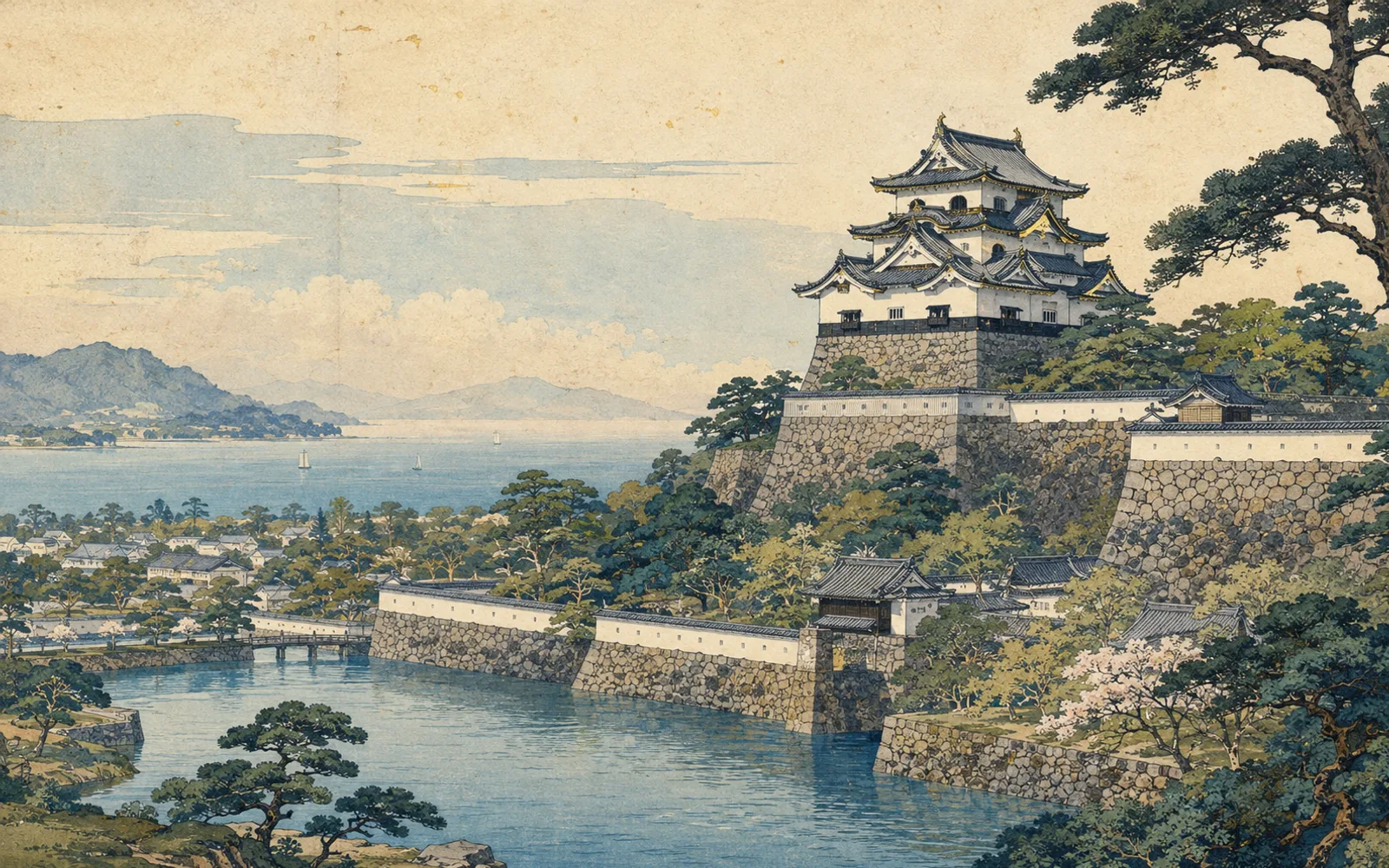
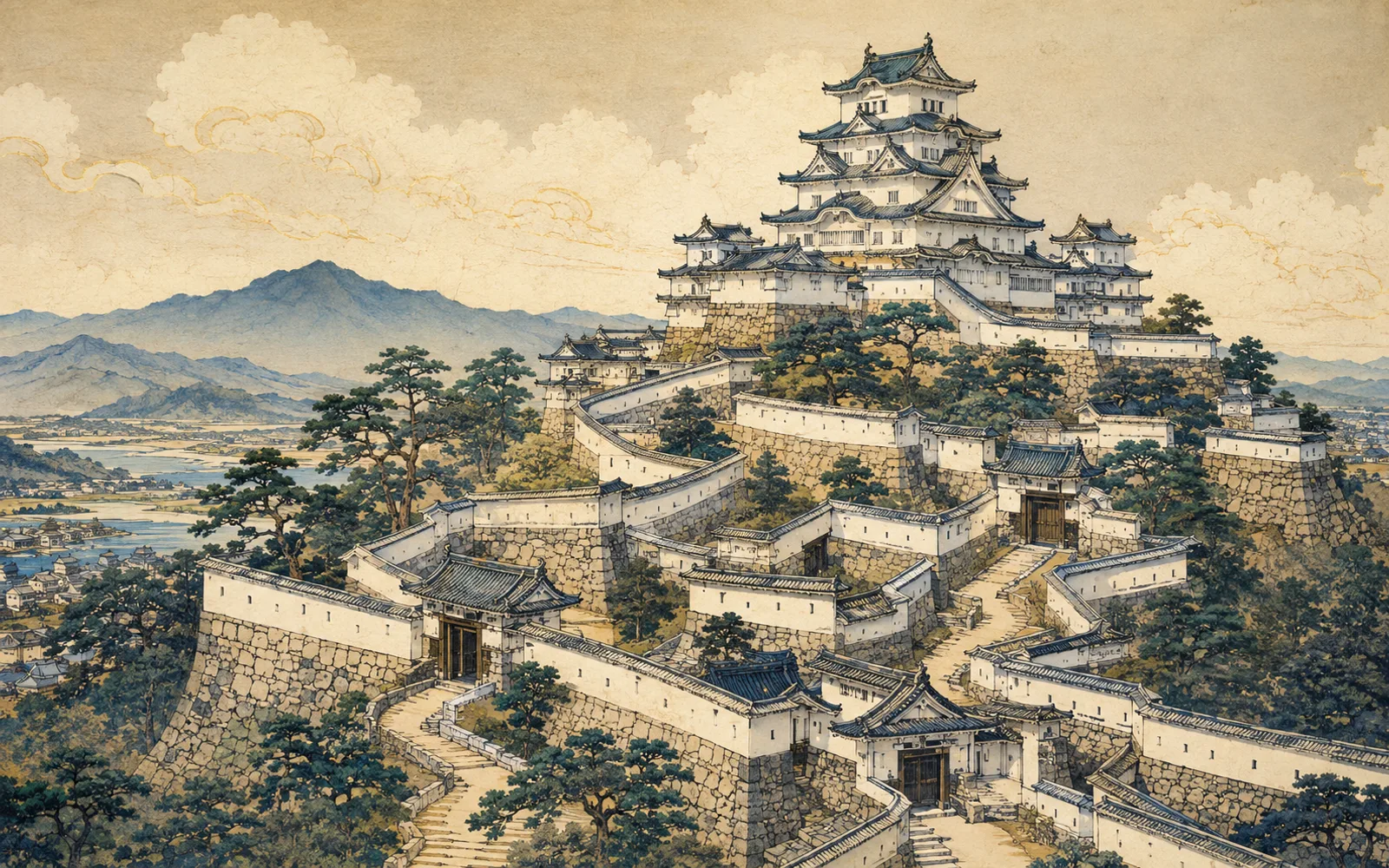
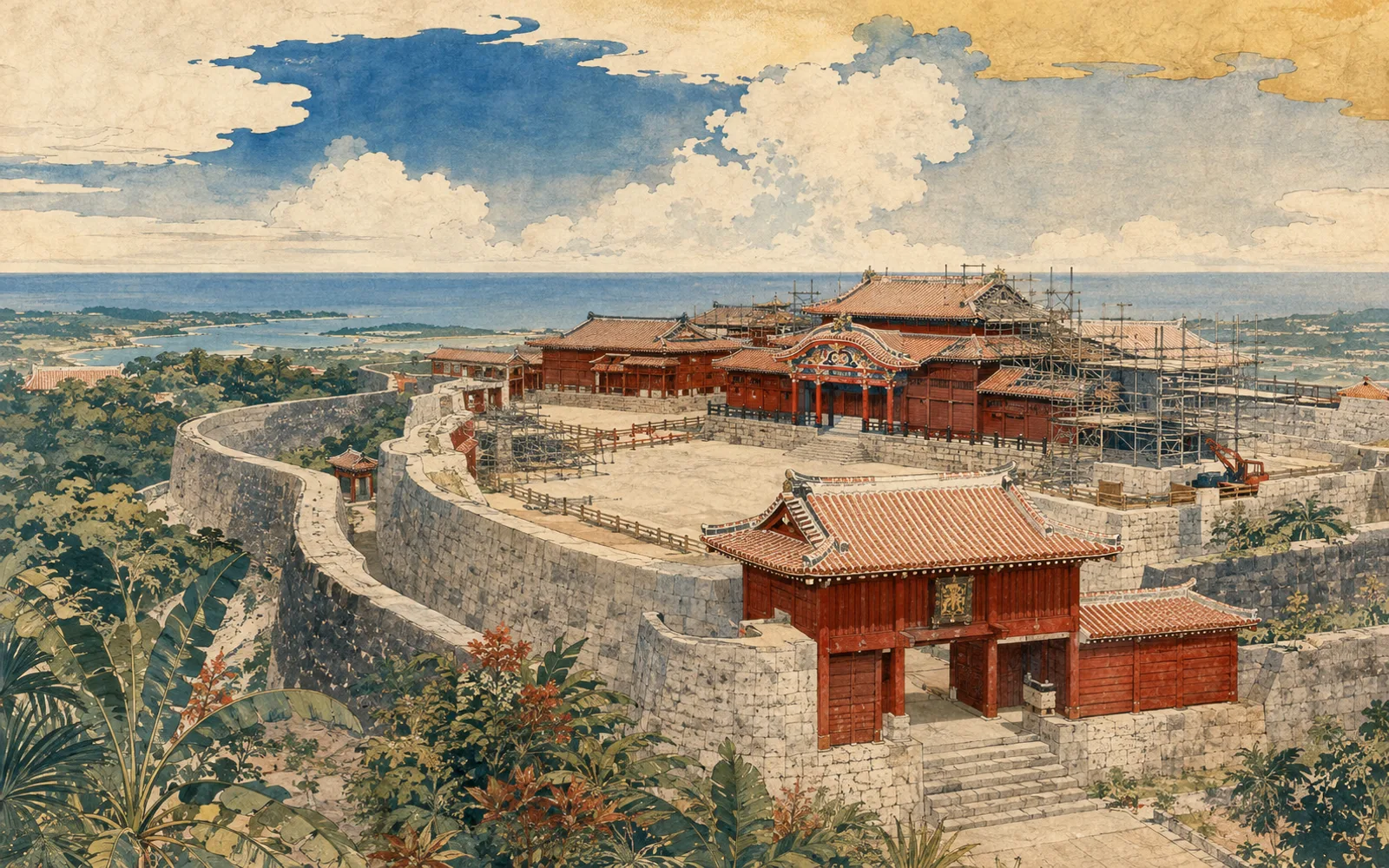
On November 23, 2026, the main hall of Shuri Castle opens to visitors again. The red hall at the center of the Ryukyu kings’ castle burned in 2019, only 27 years after it was last rebuilt. The new hall is a reconstruction of a reconstruction, and for a Japanese castle that is nothing unusual.
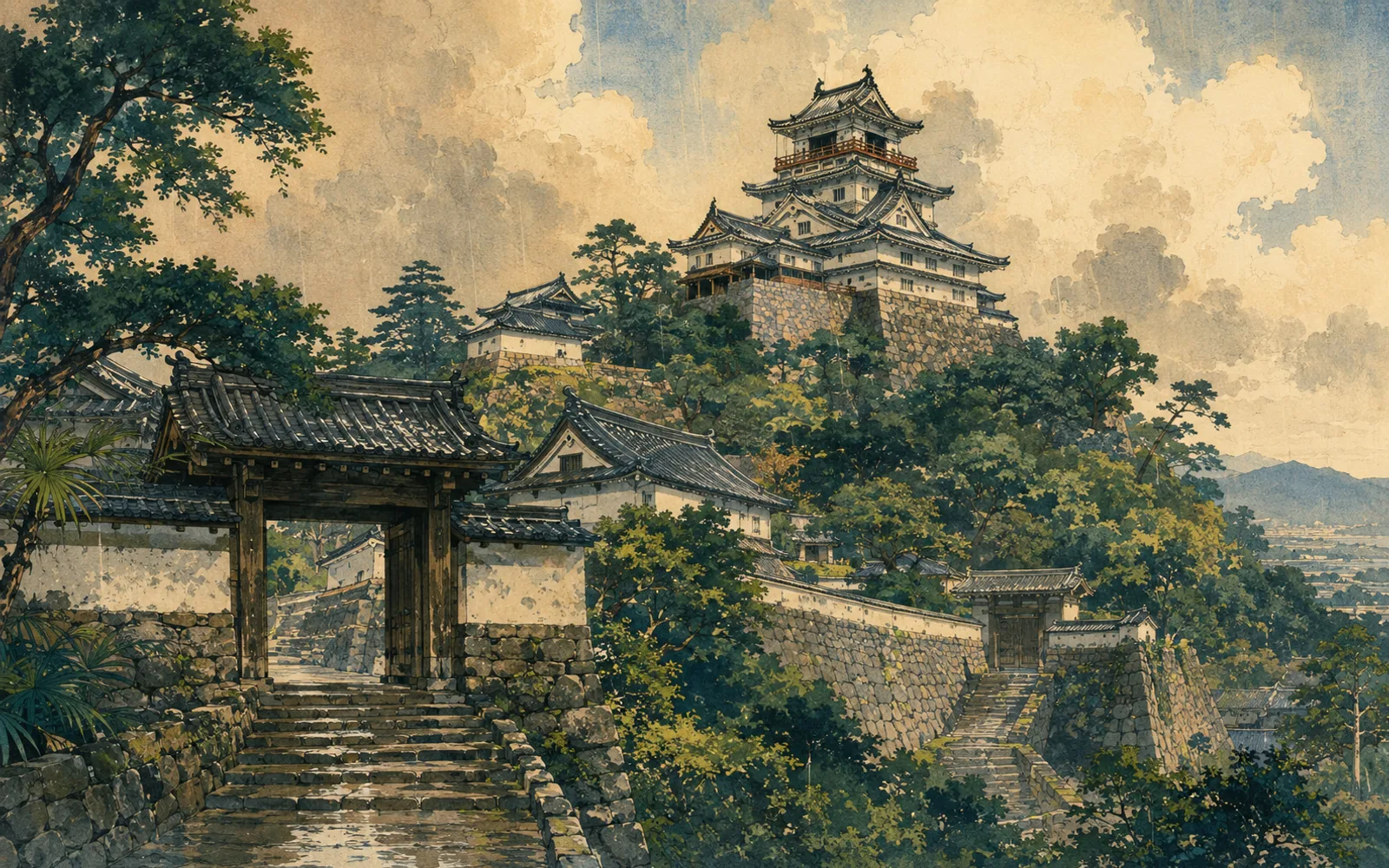
In 2006 and 2017 the Japan Castle Foundation chose 200 castles for its Top 100 and Continued Top 100 lists. This atlas maps all of them. Only 12 still have a keep that has stood since before the modern era. Another 37 have keeps built since 1928, in concrete or in wood. The other 151 have no keep at all: 64 keep original or rebuilt gates, turrets or palaces, and 87 are ruins of stone walls, earthworks, moats and leveled hilltops.
How the castles came down
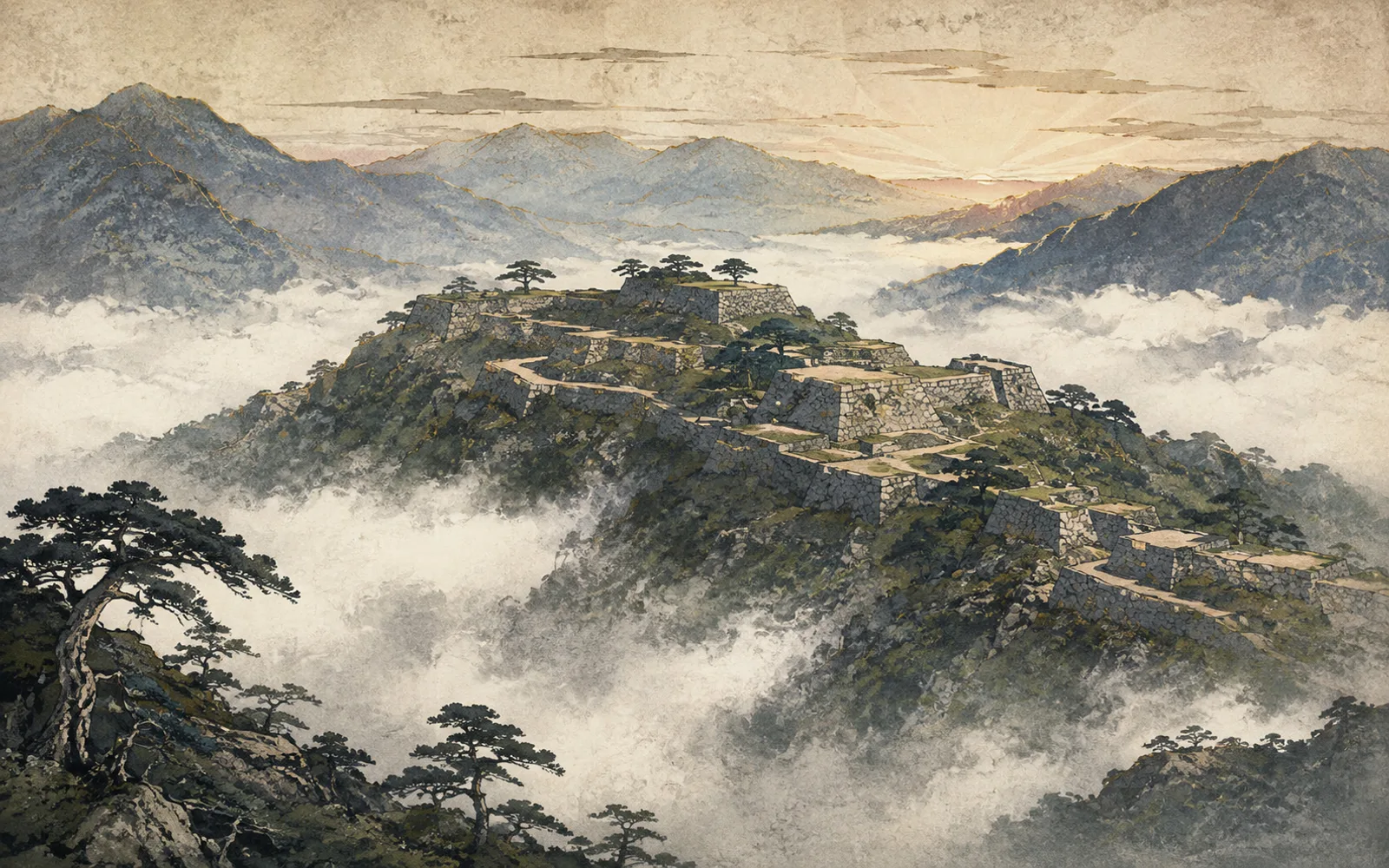
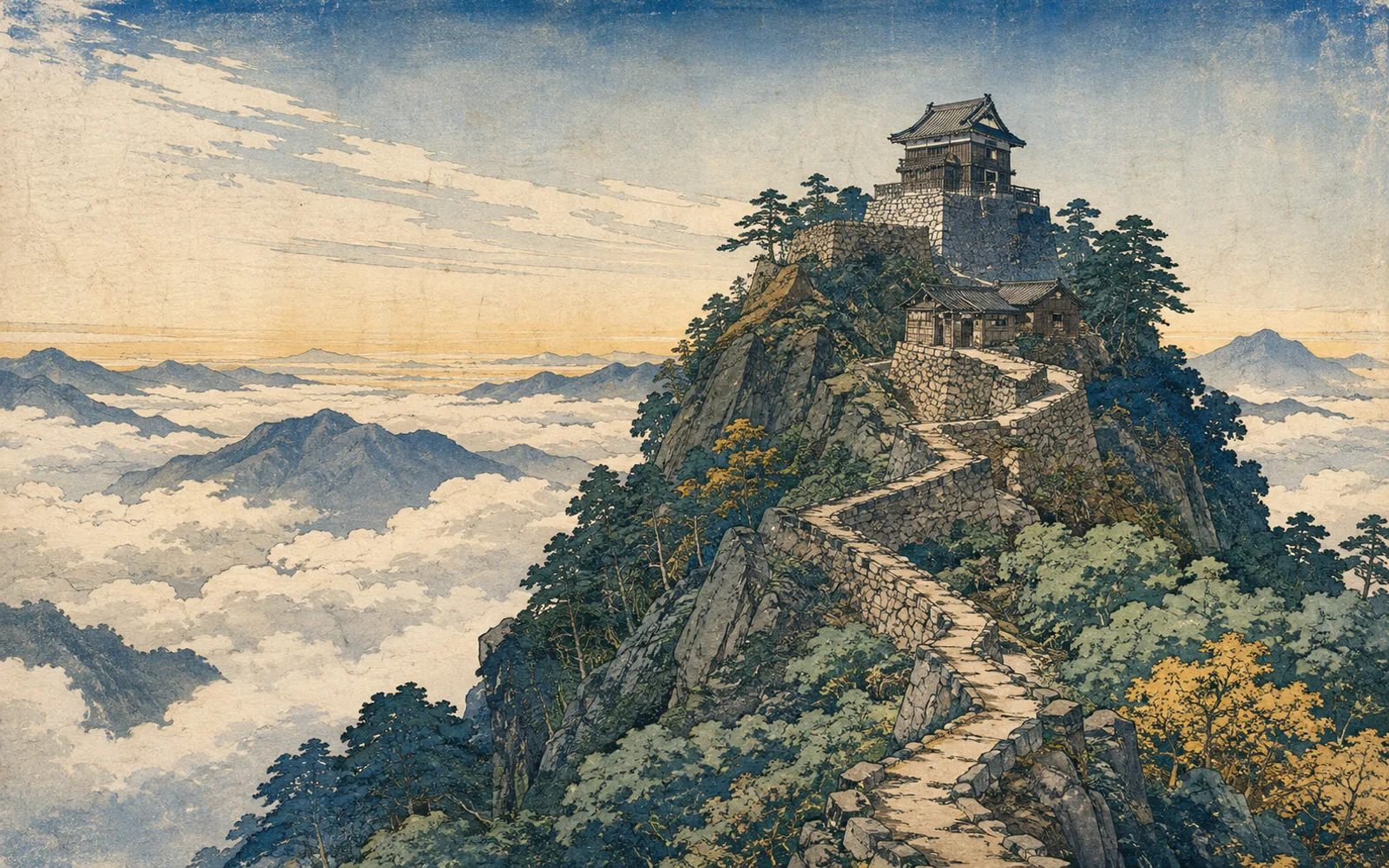
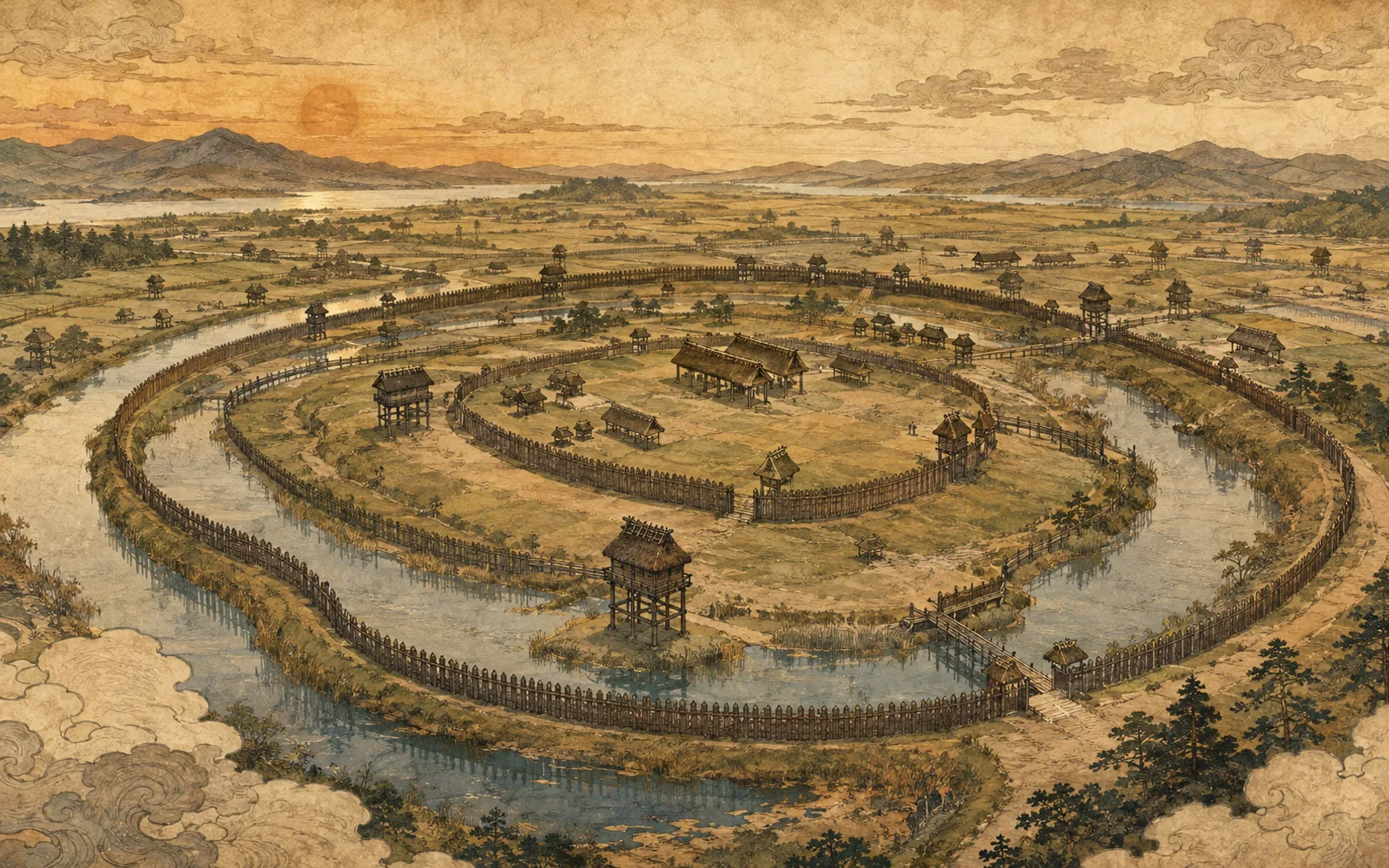
Most castles never had a tower. The multi-story keep (tenshu) was a late sixteenth-century invention, made famous by Oda Nobunaga’s Azuchi Castle in 1579. It burned three years later. For centuries before that, a castle usually meant a hilltop cut into terraces and defended by ditches and timber. Of the 200 on the lists, 50 are mountain castles like that, with nothing standing now except the shape of the ground.
The losses came in waves. In 1615 the Tokugawa shogunate ordered each domain to keep a single castle and destroy the rest. In 1873 the Meiji government kept 43 castles and one fort for the army and handed the others to the Finance Ministry to dispose of. Many of their buildings were sold and torn down. Twenty original keeps still stood in the early 1940s. Air raids and the atomic bombing destroyed seven of them in 1945: Nagoya, Okayama, Wakayama, Ōgaki, Mito, Hiroshima and Fukuyama. Matsumae burned in 1949.
That left twelve: Hirosaki, Matsumoto, Maruoka, Inuyama, Hikone, Himeji, Matsue, Bitchū Matsuyama, Marugame, Matsuyama, Uwajima and Kōchi. Five of them, at Matsumoto, Inuyama, Hikone, Himeji and Matsue, are National Treasures. All twelve are on the Foundation’s first list.
Concrete, then cypress
Most keeps you can climb today are modern. Sumoto, on Awaji Island, put up a concrete replica in 1928. Osaka followed in 1931 with a “revival” keep that looked like a castle without copying the one that had stood there. After the war, cities rebuilt what the bombing had destroyed. Hiroshima and Wakayama had new keeps in 1958, Nagoya and Ōgaki in 1959, Okayama and Fukuyama in 1966. Of the 37 rebuilt keeps in this atlas, 30 are concrete or steel.
They are not all copies. Some reproduce the lost keep’s exterior from photographs and plans. Some are revivals like Osaka’s. Another 10 are replicas, towers built without a historical model, sometimes on sites that probably never had one. The atlas marks all of them as rebuilt, and each castle’s page says which kind it is.
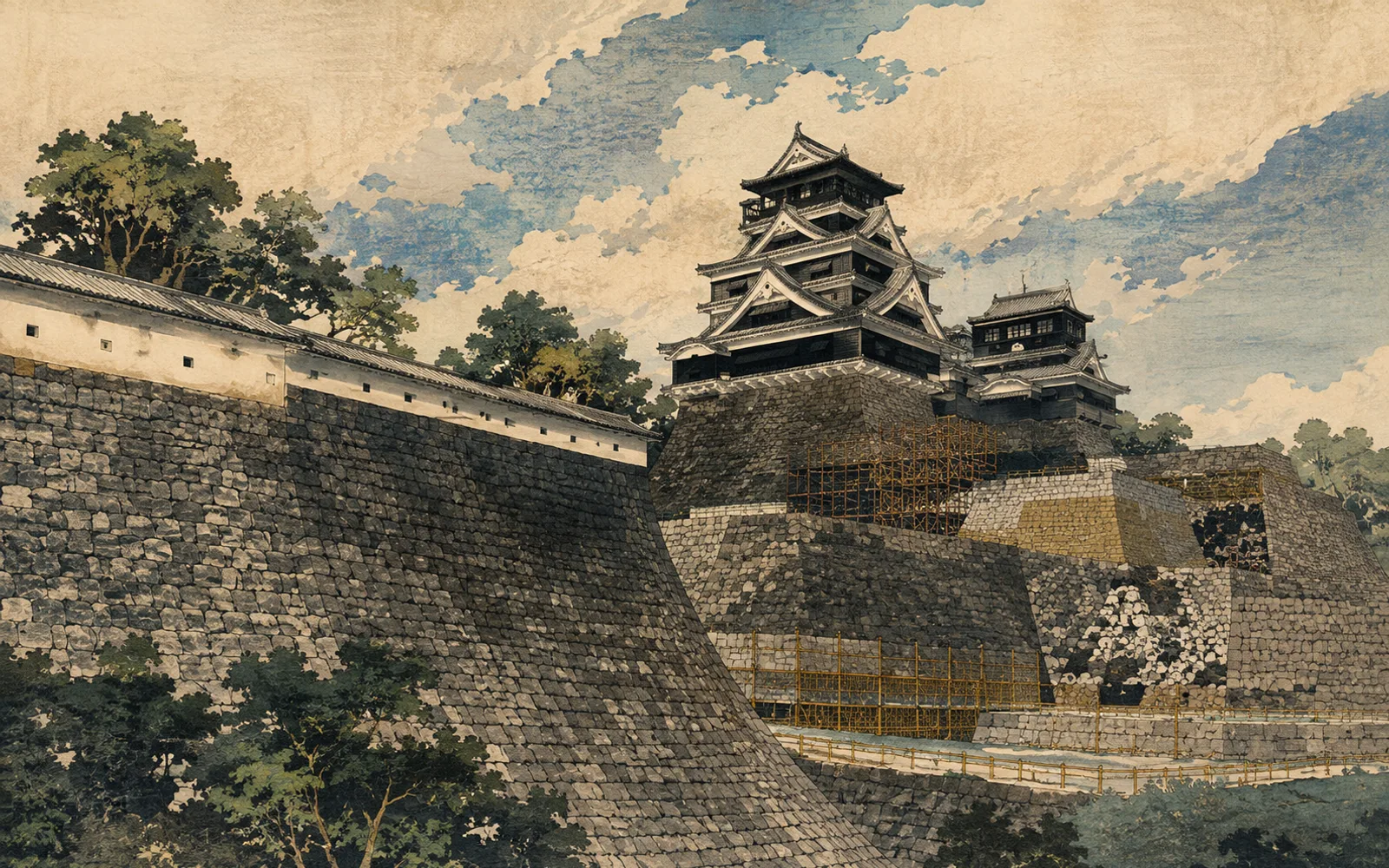
In 1994 Kakegawa opened the first keep rebuilt in wood since the war, paid for partly with ¥1 billion in donations from residents and local companies. Ōzu, Shiroishi and others followed. Nagoya closed its 1959 concrete keep in 2018 and plans to replace it with a wooden one; construction has not started. Kumamoto’s keep, damaged in the 2016 earthquakes, reopened in 2021. The city expects to finish repairing the rest of the castle by fiscal 2052.